Cultural Traditions, Death and Dying.

31.08.23

In Health so far, we have been learning about Death, Dying and the Afterlife. We have explored different subheadings of Death, Dying and the Afterlife. Whether it would be in culture, the emotional you’ll feel, how to help yourself and others etc.

For the past two periods, we have been mashing our keyboards to finish and create our assessment, which entails us that we are to investigate a topic that we’re more interested in/haven’t had the chance to learn about yet. Of course it is impossible to cover every little detail, so instead we got to pick a subheading to research/recap about. Given my poor time managing skills, I’m currently finishing this once and for all on the due date nearing 12:00 am.

I hope this slideshow can help you learn something today, or even help you! I’d also like to thank my teacher(s) for helping me understand this topic as best as I can. We appreciate what you do and I hope you appreciate the result of your teaching 🙂

Read more

Investigation Assessment – Health

Hello readers!

In Health we have been studying about Death, Dying, and the Afterlife. We have learned about some different cultural beliefs and traditions, we also watched the film coco and learned about their beliefs, traditions, and how they remember their dead love ones in the afterlife, and how they show honour and respect to their dead relatives. We’ve also studied the difference and similarities of the culture of our teachers and fellow classmates, we’ve also finished our historical topic about a important period of time I chose the Black death also known as the plague. It is also considered the most fatal pandemic recorded in human history causing the death of 75-200 million people.

If you want to read more about this fatal pandemic, here’s a link!
The Black Death


We’ve also studied our culture and death practices that we do when someone passes away in or culture. We also made a blog about it ad here’s my culture and death practices when someone passes away in my culture.

My culture is Filipino, and in my culture we have many traditional things that we do when a person passes away. including, religous and cultural practices.

In my culture we don’t do this but dating back 2,000 years ago an old tradition occurred, there was a tradition where they put the dead in a hand carved coffin then they hang them on the high above the ground. It’s some sort of a ritual where the Igorot people believed to bring the departed closer to their ancestral spirits or closer to heaven.

I’m from the Philippines and when a person passes away in my culture, the lamay or wake is the first thing that occur when a person passes away. A body is laid in an open casket for 3-7 days, during this the friends, family, and other relatives gather expressing condolences, offering prayers, and offering support to the family left behind. Flowers and candles are also important when someone passes away in my culture, people bring it to honour and show respect to the deceased. Lilies and Roses are the most common flowers that people bring, the white lily expresses majesty, purity, and innocence. On the other hand, Roses are commonly used by the close family members to express their love for the deceased, it symbolise love and affection. We do this to show honour, love, respect, and appreciation for the departed love ones.

Before the burial, a mass takes place at either the church or the house of the person who died. A priest then blesses the deceased to ensure safe passage to heaven. After that, the deceased will be transported to a funeral home, the family and friends of that person will then say their last goodbyes to the person who died by putting adorned flowers and lights. After the burial, it is believed that the soul of the deceased will stay here on Earth roaming around for 40 days before going to heaven.

5 strategies that I suggest that can help you heal your hauora from that loss.

  • Try to talk about it to someone don’t carry it on your own.
  • Keep yourself busy or distracted like playing with friends and spending time with our family.
  • Acceptance, we need to accept that they are gone, they can finally rest in peace, and they are in heaven.
  • We can also turn to our family and friends for support.
  • Visit them

We also studied the physical process of dying, the change, loss & grief. We also studied the 5 stages of grief which is denial, anger, bargaining, depression and acceptance.

Denial is the refusal to accept that the person had died, either consciously or unconsciously.

Anger is the second stage of grief, anger is hiding many emotions and pain that you carry and releasing it to others, anger is the stage where you might aim your anger to other people or to objects.

Bargaining is the third stage of grief, the bargaining stage follows the anger stage naturally. It is also the helplessness and vulnerability that comes through loss, it is an attempt to regain control over yourself.

Depression is fact the hardest and longest stage of all the 5 stages of grief, it is usually when people feel their deepest sadness. It may also feel like a quiet stage of grief.

Acceptance is not necessarily a happy or uplifting stage of grief, but it doesn’t mean you’ve moved past the grief or loss. It does, however, it mean that you have accepted it and have come understand what it mean in your life now.

For this assessment, I have chosen to investigate the ”religious traditions around death.” I want to learn about his topic because I find it interesting and I wanted to learn the unique and sometimes disturbing ways different people honour the deceased.  On this investigation let’s explore and talk about the interesting funeral customs from around the world.

Hanging coffins in of the Bo people in Guizhou, China. 

The Bo people are a small ethnic group in China that lived in the mountain regions of Guizhou province. Their culture and lifestyle were shaped by the dramatic mountain landscape in which they lived in. Some researchers believe that the Bo people assimilated into other local minority groups and tribes over the years and may still be around today.
Nowadays, the Bo people were best known for their unique burial customs, particularly the hanging coffins they built for their deceased and placed on the cliffs, many of which remains today. This customs was also believed to bring good luck to the living family.

There are many reasons and debates as to why the Bo people who went through all the trouble of carrying their deceased up these high cliffs. Some people believed that the spirit would return to earth, and in order for that to happen, their earthly remains must be allowed to decompose naturally. Some even believed that the reason why they do these hangings is that the Bo people believed that hanging the cliff made it easier for the deceased to climb heaven.

Consuming the ashes of the deceased in the Yanomami tribe

The Yanomani tribe is a group that consists of 35,000 indigenous people who inhabit somewhere between 200 to 250 nomadic villages in the Amazon rainforest. The Yanomani people believed that death is just a unnatural process that occurs when someone from the rival tribe sends an evil spirit into their tribe. In order to protect the spirit of their dead, they perform an ritual to help them pass peacefully into the spirit world.

The Yanomami people cover the deceased with leaves after they die, leaving the body undisturbed for up to 45 days. After that time, they collect the bones and cremate the body during an emotional ceremony that typically involves mourning and singing to honor the deceased.

After the cremation, the Yanomami people incorporate the deceased’s ashes into a soup made with fermented bananas that’s consumed by the entire tribe as a way to keep the deceased person’s spirit alive within the tribe and also allow them to pass peacefully into the spirit realm.

Viking burial ship funerals in Norway

The vikings were seafaring people who raided and traded in the 8th century and the 11th century. They were known for their excellent craftsmen, producing beautiful jewelry and weapons. The most famous burial customs of the vikings was their funeral ship. When a person, love one, and other relative died, their body was placed on a boat with their most prized possession and set on fire. the boat was then pushed out to sea so that it would burn up with the body inside. This practice was believed to ensure passage into Valhalla, where the dead would join Odin, along with other gods, if he’s considered worthy.


There were a number of ways that I demonstrated respect towards other culture beliefs during this unit. I did this by firstly learning more about their cultural beliefs and respecting it. When I respect other people’s belief it may enchance their Hauora. It might enhance their mental well-being because their point of view on it may or might change. Showing respect to other people’s cultural beliefs also help authenticate their identity. I think when people’s belief are respected, it helps authenticate their identity which then help confidence and it also forms good relationship.


It is important that I take care of all areas of my hauora when I experience change, loss, or grief because our Hauora is very important to us. If we fail to look after one even one dimension of our Hauora, the other parts might also fall or it may affect the other parts of our hauora. For example, when I experience loss and grief, this might affect some parts of my Hauora or maybe even all. I might forget about my emotional well-being because of anxiety and pain from that loss. It might also affect my mental and physical well-being through stress. I can take care of my hauora when I experience change, loss, or grief by doing the things that makes me happy and the things that make me hype or relaxed etc. I could also take up a new hobby, such as, biking or gardening. Biking and gardening would improve my physical well-being, I could also do word finds, word puzzles, and reading to improve my mental well-being, and meeting new friends it will improve my social well-being. These are the activities that I would do and I suggest you try when you’re experiencing a loss because taking care of our Hauora is very important and we should always take care of it.

Thank you for reading my blog, I hope you enjoyed it have a great day!

Read more

Assessment Investagation

“Ways to cope and manage when a person passes away”

In Health we have been studying about Death, Dying, and the Afterlife. We have learned about some different cultural beliefs and traditions. We have learned about  the process of death, The physical process of dying,Change,Loss, Grief, and Coping with loss when a person passes away.

What is your chosen topic for investigation?

I have chosen to investigate Ways to cope and manage when a person passes away

Explain 3-4 interesting pieces of information you read about your topic. Provide links and or pictures to support what you are explaining.

1. Interesting pieces of information about Anticipating the different stages of grief are when u feel this reaction: Denial, Anger Bargaining, Depression acceptance. These five stages  can make  most people will go through each stage of grief. For example I lost my Water bottle. At first I was angry and then accepted it. next i was bargaining to have it back to me. Some people don’t go through those stages but I’m sure that some people go through those stages as well.

2. Another interesting pieces  I read is  attend the memorial services. I think ive been some of the  mermorial service and i even understand because i was a kid back then.

3. An interesting approach to dealing with loss is the legacy project, in which individuals create meaningful memorial or remembrance activities to honor the deceased, fostering a sense of connection and purpose.Additionally, exploring grieving support groups or therapy sessions can provide valuable tools and a sense of community for working through the complexities of grief.

 How did you demonstrate respect towards others’ cultural beliefs that are different to yours?

Showing respect for the cultural beliefs of others upon a person’s death includes offering one’s customary condolences, attending memorial services if invited, and refraining from imposing beliefs or judgments. own judgment during the grieving process. It is essential to show empathy, openness and support, acknowledging the importance of traditions honoring the deceased.

Why is it important that you take care of all areas of hauora when we experience change, loss, or grief?

Caring for all areas of health including mental, emotional, physical and spiritual health, in times of change, loss or bereavement is crucial for holistic healing.
By addressing these aspects, individuals can find a balanced and holistic approach to dealing with the death of a loved one, ensuring that they maintain their overall health and resilience. throughout the grieving process.

Read more

Refugee – Final Week

WALT: Read and understand a whole novel

Hi everyone!

In Kereru for reading, I’m still doing the novel study about the book Refugee. This week is our final week of doing it so we had to finish the rest of what’s left from what we last read. Refugee is a non fiction novel with 3 different stories about 3 different kids. Each of them are from different places and are trying to get as far away from there. 2 succeed and 1 fails. In the end some stories even connect! Alright I’m just going to summarize what happened for each of them because I won’t be able to say where I’m at since I’ve finished it. I’ll do that in the following paragraph though. Anyways so this week, we had like always a must do and this time 3 can do’s. We only had 3 because the must do was pretty long so it would have taken us a long time, giving us less time to do the can do’s. We also only had to do 1 can do instead of 2 for the same reason. If we finished earlier though we could like always do another one from the ones left.

A little summary for each of the characters about refugee (not part of the tasks):

Josef: Josef and his family are fleeing from Germany and are trying to get to Cuba, because Germans didn’t treat Jewish correctly. Jews were sent to concentration camps and they died there too. After Josef’s father was sent to one, he was traumatized and paranoid. He was lucky to have even made it out alive, but they had to leave Germany. They were traveling on the St. Louis ship in the Atlantic ocean. When Josef’s father jumped off the ship into the ocean, a policeman saved him. But he was sent to a hospital in Cuba I think. So Josef had to step up as the man of the family taking care of his sister and mum. People on the ship were expecting to arrive in Cuba, but Cuba denied. They had to go in groups and went to different countries. Josef’s family went to France. Soon after thinking they had escaped, the Nazis invaded France. When they were running in the woods, they got caught. The Nazis said that Josef’s mother could choose which one of her children to have freedom, the other would have to go to the concentration camp. She couldn’t choose. So Josef chose for her. He said to take him. Ruthie lived freely, someone had helped her and she survived. Years later she came back to Germany looking for her brother and mother, but she found out that they had died in the concentration camps. Josef’s father had died as well, but still was able to live for a while in Cuba.

Isabel: Isabel and her family were from Cuba trying to get to the United States. Cuba’s president Fidel Castro was so strict though, anyone who tried leaving Cuba would get sent to jail or maybe even die. But when he said on tv that people can go freely, it was their chance. Besides, Isabel’s father needed to leave Cuba otherwise he’d be arrested. So they came along with Isabel’s best friend’s family on a raft. They had successfully escaped Cuba. On the raft they traveled along the straits of Florida. But on their way, they had gotten into the shipping lane so a big ship was headed for them! Luckily they managed to get away from it, but then the boat went really fast and Senor Castillo fell out. Isabel jumps in and saves him. Then there came a cyclone I think. It made them go far from their path, leading them to the Bahamas. People there were nice and gave them food, drinks, medicine but because of laws they couldn’t allow them to come on land. Soon when they were just talking about what to name the boat, sharks surrounded them. Ivan gets bitten and he ends up dying. They had to leave him in the water. It was devastating. After that, when they were near Miami, they saw a boat coming sending people back to Cuba and their boat was sinking! They weren’t gonna make it. So Lito jumped in the water and pretended like he needed to be rescued. That gave time for the others to row to Miami. But Isabel’s mother was giving birth in the raft. They jumped off the boat and helped drag the raft onto Miami beach. Then at last they had freedom.

Mahmoud: Mahmoud and his family lived in Syria and were trying to go to Germany. It was after their apartment had been bombed. They walked for so long and arrived in Turkey. From Turkey they were wanting to get onto the boat taking them to Germany, but it took forever. When it finally came, they found out that it wasn’t actually a boat. It was a dinghy. Once they and the other refugees got on, they were sailing away. But the dinghy crashed onto rocks. People were drowning, dying. Mahmoud and his family were struggling too. Then later Mahmoud’s father and Waleed disappeared. It was only him, Hana and his mother. But it was getting harder and harder to survive. So they had to give up Hana so that she wouldn’t drown. Soon Mahmoud’s father and Waleed came back on a boat. That’s what they used to get to Greece. From Greece they went to Macedonia. At Macedonia, they were gonna stay another night at a hotel then go to Serbia, but a guy offered to bring them all the way to Serbia in return for some money. However after a while the guy stopped driving and was pointing a gun at them. They got out of the car but at least they had been half way to Hungary. They walked the rest of the way. When they got to Hungary the border was closing and then suddenly Mahmoud wasn’t able to breathe. Soon he finds himself in a truck on its way to a prison place. In the prison place, they were guarded by Hungarian soldiers and they were treated like animals. After days there, Mahmoud opened the door and stepped outside. The soldiers and UN people didn’t do anything. So they left. Walking to Austria. After Austria it was Germany. When they arrived, they were done with their journey! At the end Ruthie helps Mahmoud and his family and tells Mahmoud about her life as a refugee.

Ok so for the must do this week it was pretty long. It took me 2 days. Anyways, we had to basically make a book review about refugee on a canva video. So there was a little red hot video that we had to watch which was basically an example. In our review it had to include 2 questions which are, 1. what is your favorite part of the book? Why?  2. What have you learnt from reading this? Then there was a template that had all the stuff we also had to include. It was the title, author, a picture of the book, genres, setting for the each of the characters, who the characters are, what their like, what we feel about them, a rating, why we rated it that and how this book made us feel. Oh by the way, we had to plan this out which I did on a google doc so I’ll also show you that.

Here is my plan:

Here is my canva video:

After finishing the must do, we had to do our can do’s. So like I said already there were only 3 to choose from and we only had to do 1 because of how long the must do was. The first can do was the geography. We had to choose one of the characters and firstly, on google drawing we got a picture of the world map. Then we had to use a text box to write the names of the places the character we chose has gone through their journey. We also had to place them where they are on the map. After that, we had to write about any important things that happened in the places. Following on is the ending. We had to write on a google doc, did we like the ending and why or why not. Next we had to think of some questions that we feel like haven’t been answered in the book. We had to write a possible ending that has all the answers to our questions. In this ending we had to include stuff like speech marks, paragraphs etc. Just like an ordinary piece of writing. The last can do was the word work, but this time it wasn’t a glossary. We had to write who our favorite character was and why. (I already said in the create tasks from last week) Then we had to make a word cloud for 10 words we would use to describe them. After, we had to write why we thought to use those words. The one I chose to do was the word work because I feel like it would take the least amount of time. I used a trumpet as the shape since Isabel likes using her trumpet and the colors were like the trumpet.

Why Isabel is my favorite character:

Isabel is my favorite character because I’ve enjoyed reading about her and her journey. There are situations when it’s quite sad or sometimes dangerous. It always hooks me in which is why I like it. I also like Isabel in general because of her great personality of being so warm-hearted. I just honestly like Isabel and reading about her life getting to freedom.

Here is my word cloud:

Description of why I chose those words:

Clever –  She solved the problem on how they could escape Cuba by running to different places. She ran to her friend’s house and she persuaded Senor Castillo if her and her family could come along on their raft. She also traded her favorite things, her trumpet and the kitten for gasoline to put on the raft.

Convincing – Isabel is kinda good at persuading because she was able to convince Senor Castillo so that her and her family could go on their raft as well and leave Cuba. She also convinced the fisherman guy to trade her things for some gasoline for the raft.

Faithful – In the beginning when they were leaving Cuba she had lots of faith and hoped that they would be able to reach Miami. But after lots of terrible things happening, she started to lose that faith. Although now, she’s happy again and ready to start a new life in Miami.

Fearful – After what happened with Ivan, she felt worried that it might happen to her or anyone else on the boat. She felt horrified and thought that, that could also happen to them. There was also a cyclone I think which made her feel really scared as well.

Friendly – At the very first chapter it says that she was with the cat and I think she fed the cat some food even though she barely had any herself. Some people would probably eat the cat because there isn’t really much food for them, but she was nice to it and became its friend.

Helpful – Isabel helped out by getting the gasoline for the raft. If she didn’t do that, they probably wouldn’t even be in Miami. She saved Senor Castillo’s life when he was in danger. If she hadn’t jumped in the water to save him, he could have died. She helped to get the boat her Mother was giving birth on, to Miami. Without extra help, they wouldn’t have made it.

Loving –  When she knew her father needed to get out of Cuba, she found a way for them to escape. When Lito was gonna sacrifice and jump into the water, Isabel tried stopping him because she wanted him to be with them. When Isabel’s mother was giving birth and everyone came out of the raft to swim for it, she never wanted to leave. She argued and wanted to stay with her mother. When little Mariano was in her arms, she was very careful so that she wouldn’t drop him.

Positive –  Even after all the things she’s been through, the “song”, her journey she still moved forward and she was now ready to start a new song in Miami, a new life. The quote in her mind that kept her to keep going was “fight against the impossible and win.”

Sympathetic – Isabel was showing sympathy for the kitten in the beginning. when she the cat was skinny and looked like it hadn’t eaten, she fed it some food because I mean she probably knows what it’s like to not have much to eat and so she was nice to kitten.

Warmhearted – Isabel always helps people to the best of her abilities. She cares for her family so much. Finding a way to get out of Cuba, saving someone’s life, etc. It was very heart warming to read about how much of a great person she is.

——————————————————————————————————————————————–

I also got some extra time (surprisingly) so I decided to do the geography. I did Mahmoud’s journey because him and his family were the ones who traveled in the most countries. By the way, I cropped out the part where Mahmoud’s journey was from the world map because it was too small and the other countries weren’t really needed.

Here is my google drawing:

I enjoyed doing this because even though the create tasks were quite long, the book was really interesting and became one of my favorites. I’ve learnt some stuff through reading refugee, just like what a refugee really is, how hard a refugees life is etc. The must do this week wasn’t my favorite because it took quite a long time but it was still ok. I think I should have added the content on different slides though, so that when I’m talking you could read as well. It would also mean that if I made a mistake I wouldn’t have to delete the whole clip. The can do’s were ok although they were also a bit long. I feel like the geography was more fun just because of the map thing, but the word cloud was also fun-ish. Maybe for the words to describe Isabel I could have also thought of words that don’t relate to each other so much, because I think I gave them similar reasoning. Overall, I’ve enjoyed reading refugee and it was so much fun!

Thanks for reading my blog post!

Bye!!!

Read more

Stamping and printing fun.

Ruby shared a book from home all about printing and stamping. It gave us an idea … so we spent Tuesday afternoon using paint and cardboard rolls to explore printing and stamping.

We thought about  ways  we could use the cardboard rolls to make different shapes and lines.  We had a great session being creative and sharing our ideas with each other.

It was lots of fun and very messy!  Thanks for sharing your art book with us Ruby!

Read more

Escapism

Hello everyone,

2 weeks ago,  during English with Mr. Taylor, we have been talking about escapism.

  1. What is escapism? Escapism is a way for people to escape reality, it could be a good or a bad thing.
  2. What are some ways that people use to ‘escape’  their reality? For some people, escaping their reality is significant for them since that may be their way to cope with things. There are many ways to escape reality such as listening to music and writing a journal or doing something you enjoy to get your mind off things. It is greatly recommended and the most effective way to escape reality is by sleeping.
  3. Why do you think the virtual world in Ready Player One is called the Oasis? The virtual reality world in Ready Player One is called the Oasis because it’s a place to escape their problem.
  4. What is the difference between ‘self-expansive escapism and ‘self-suppresive’. How do both of these affect a person’s life? Self-suppressive talks about holding back from feeling something, this can affect negatively in someone’s life leading them to feel resentment or frustration. While self-expansive is about developing aspects of personal growth such as relationships, new experiences, and so on, this can help them discover new passions and embrace themselves.
  5. Do you use anything as an escape in your life? Is it more ‘self-expansive’ or ‘self-suppressive’? I think I’m more of a both, I often do things to distract myself but most of the time I like to develop myself by trying out new experiences.

Thank you for reading, Have a nice day.

Read more

Basic Facts Bricks

Our basic facts group has been working really hard to complete their Brick 1 – Facts to 5  in the given time. This group is becoming so focused on their learning and we couldn’t be more proud of them.

Read more

Genetic disorder caused by DNA mutation

Hello everyone,

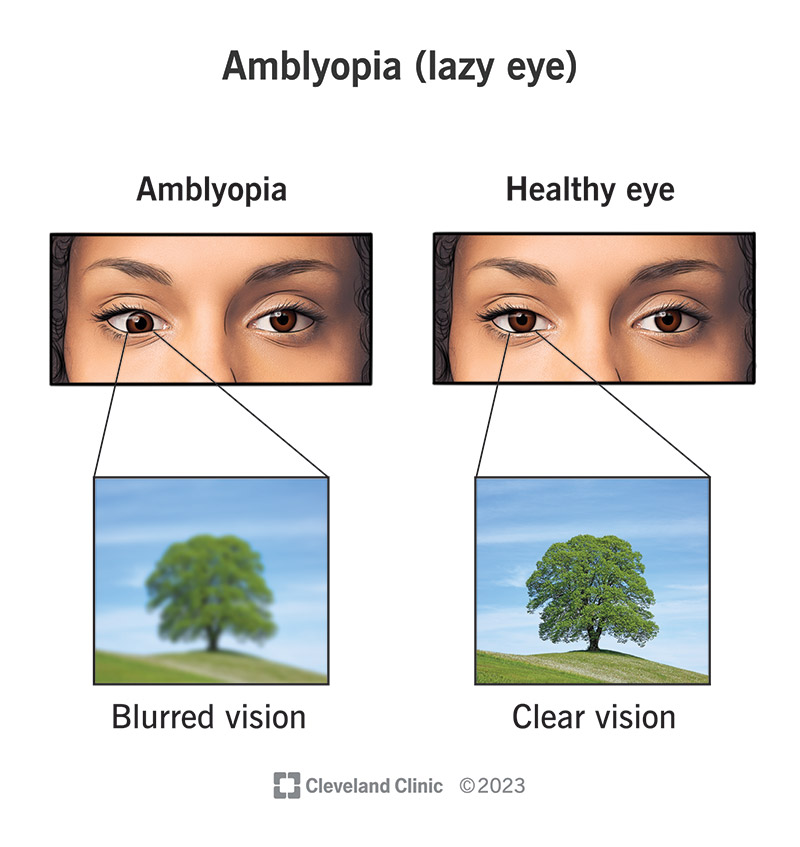
Today during science, we are talking about genetic disorders that are caused by DNA mutation. I did my research and I’ll be talking about Lazy eyes which is a genetic disorder.

What causes these genetic disorders? Lazy eyes which are also referred to as Amblyopia a poor vision in one eye, Both eyes aren’t common but it’s possible. Lazy eyes are caused when the brain is unable to recognize the sight from the other eye. The stronger eye works better which is why the brain relies more on it than the weak eye. Some doctors don’t know the causes of amblyopia.

what happens to you if you have the disorder? symptoms? Is it lethal/Will it kill you? If lazy eyes are left untreated for a long time then it might cause permanent vision loss. It is certainly not harmful but it can have a big impact on someone’s life. The chances of developing a condition of amblyopia are:

  • Experiencing development delay
  • Born prematurely
  • A family history of lazy eye

Lazy eye Symptoms:

  • Head tilting
  • Eye that isn’t working together
  • The eye wanders inward or outward
  • Squinting or shutting an eye
  • Poor depth perception

Treatment available for the disorder? Treatments are greatly recommended, doctors may suggest eye drops, surgery, eyewear, and more. However, it won’t be possible to just fix it with treatments such as glasses or patching.

How common is it? Approximately 3 out of 100 children have lazy eyes. It is uncommon to have amblyopia in both eyes. To prevent long-term vision problems, it must be treated immediately.

Can it be passed on to offspring? Amblyopia can be inherited genetically in families. There is a greater risk of developing a lazy eye condition if it runs in family history.

Lazy Eye (Amblyopia): Symptoms, Causes & Treatment

That’s all for today, thank you for reading:))

Read more

Amber’s That’s The Idea Pixton Comic Term 3 Week 7

WWALT: Evaluate ideas and information in a narrative text

Hi Bloggers!

This week for reading we have been looking at different books. We could choose between 6 different types of books. The book that I chose was called That’s The Idea. This book is about, were like there is a girl named Shannon, and she has a Dad who doesn’t have a job, but her Mum has a job. So her Dad works at his home garden. Then Shannon wants to show her Dad something at school. That is a garden that Shannon and her school have been growing. For our second create task we had to create a Pixton. So we had to think that we are an interviewer reporter, then we had to come up with 5 questions and type it up in our Google Doc. Next we had to create a Pixton using our interview questions. We had to create a character that looks similar to the book, and if you’d like you could get yourself. I got myself. Some of the things in Pixton were locked, except for getting your own self and changing the skin color. I liked making the Pixton. But luckily I had finished my Pixton before it got locked, except for the last slide. I still had to do the faces. I think I can improve on doing it faster before the faces get locked, and I think I can also improve on making more slides faster.

UPDATE: I will update my work once I have finished it. 🙂

Sorry guys, my Pixton isn’t getting downloaded. I had to click the screenshots. 🙂 Hope it works for you guys.


Read more

Religious beliefs around death

In Health we have been studying about Death Dying and the Afterlife. We have been learning about some different cultural beliefs and traditions. We have learned about many things including coco hauora,


I have chosen to investigate this topic religious beliefs around death

  1.   Conversations about death are being normalised
  2. Religious landscape is changing
  3. A good death = A good life because if you’re grateful for your life that you had so while dying you’ll be happy about all the things you’ve achieved in life.

I can take care of my hauora when something upsetting happens by walking away and excluding yourself from the situations meaning that you can focus on yourself without anyone around. This will help my mental

My culture is Samoan because my parents

When someone passes away in my culture we host funeral

A culture that I learned about was about mexican culture

When a person passes away in this culture, they put their photos so the dead can see them on the day of the dead.

I was respectful when I listen to teachers and others when talking about dead people

Thank you

Sincerely: Nuu


Read more

Death, dying and afterlife blog

In health we have been learning about death, dying and afterlife. We learnt many things. One thing that I enjoyed was learning about what different cultures think happens after death. What happens after death is something that varies tremendously in various different cultures. Now that people view death more positively and openly there is much more insight and discussion about what people think happens after death. I will be researching different cultures and their views on death. 


Islam 


Muslim people mourn through rituals such as prayer, readings from the Qur’an and moments of private meditation. Sorrow and tears are expected however loud wails and crying is considered disrespectful because it shows a weakness of faith. Muslim also don’t get cremated because if you burn the body you also burn the soul and then you won’t go on to live another life. There are also different ways someone can mourn depending on the relationship that someone had with the person who died. 


Maori 


In Maori culture family and friends mourn by having something called a Tangi. The body will be taken to a Marae or sometimes a house where the family and friends will come and pay their respects. Thesis could sometimes go for a short amount of days. On the final day the body will then be taken to the Urupa being welcomed in with traditional songs, speeches and chants exchanged. The body is then buried. When you leave the Urupa you rinse your hands with a container of water to get rid of the Tapu. 


Hindu 


In Hindu culture they believe that once you die you will be reincarnated into another life, the soul lives on for many lifetimes until it finds its true nature. Each life you live the closer you get to Brahma who is the Hindu god. Your next incarnation will also depend on your actions in your past life , also called karma. 


There are various different cultures and beliefs around death. Respecting other people’s cultures is so important because you don’t know just how much you might affect the person. Another way to look at it is to think about your culture and how you would feel if someone was to make fun of your culture. People’s culture goes way back to ancient history and can be a very sensitive, spiritual, important and sad time for people as well. 


It is important to take care of all parts of your hauora while experiencing change, loss and grief so that you can thrive in your everyday life. Thriving means not only to survive but to be good at surviving. To be good at surviving you are making choices, hard decisions or doing things you don’t want to do to better your life. Whether that be working out, meditating, spending time outside, meeting up with friends and family, talking to someone about what’s on your mind, or simply just going outside and taking in all the pounds of nature and having you bare feet in the grass. If you don’t then you will be stuck in a cycle of sadness, numbness and anger. 


Read more

Genetic Disorders Caused by DNA : Haemophilia

What causes this genetic disorder? Haemophilia is commonly caused by a mutation or change in one of the genes. This change of mutation can prevent the clotting protein from working properly. The lack of clotting can lead to prolonged bleeding and difficulty in clot formation.

What happens to you if you have the disorder? Symptoms? Is it lethal/will it kill you?

Haemophilia could lead to spontaneous bleeding. Haemophilia can cause long term problems such as seizures and paralysis. Death can occur if bleeding cannot be stopped.  Symptoms of haemophilia:

  • Unexplained and excessive bleeding from cuts or injuries, or after surgery or dental work.
  • Many large or deep bruises
  • Unusual bleeding after vaccination
  • Pain, swelling or tightness in your joints
  • Blood in your urine or stool
  • Nosebleeds without a known cause
  • In infants, unexplained irritability
  • More severe joint pain
  • Stiffness
  • The Site of the bleed becoming hot, swollen and tender


Can you fix it/what treatment is available for the disorder?

There is treatment available for haemophilia. The best way to treat haemophilia is to replace the missing blood clotting factor so that the blood can clot properly. It is typically done by injected treatment products into a person’s vein. It is called clotting factor concentrates, but there are two main types of clotting factor concentrates which are Plasma-derived Factor Concentrates and Recombinant Factor Concentrates.

How common is it? 

Based on research, Haemophilia affects 1 in 5,000 male births and about 400 babies are born with Haemophilia each year.

Can it be passed onto offspring?

Most people who have haemophilia are born with it. It is almost always inherited from a parent to a child.

Read more

The amazing Lego tower blog post .!!!!!!!!!!!💖

KIA ORA

I was challenged by my partners  because we all had ideas but we don’t know which idea to pick so we all bullied the Lego tower with all our ideas so all of us won’t fight .

It was really hard doing the bottom piece because we had to make a square at the bottom so the Lego tower would be stabled and not really fast to  fall down .

It was really frustrating doing  the bottom peace and building both of the Lego towers but not at the same time because if we would do it at the same time it would be really long  at we wouldn’t even make it in time .


Read more

Fantastic day on Athletics day!😇

Fakalofa lahi atu ,

This week on Monday my school had athletics day where we do fun things such as obstacle courses , tennis , high jump , shot put and so much more! but most of all we did sprints which were 100 metres  , 200 metres , 300 metres and 400 metres.

For my sprints I did the 400 metres and came 4th place for the 1st round for the 2nd round I came 6th place , for the third round I came 5th place and for the last round I didn’t get given a place.I really had fun at athletics day and was happy to do all the activities and sprints.

I hope you all have a good rest of your day and enjoy my short and simple blog , thank you for reading!

BLOG YOU ALL LATER !!!


Read more

Exploring the museum!!!!!!!

Fakalofa lahi atu fano on thursday we went to the museum.When we first got there the first activity was volcanoes.It was really fun and really exciting.

Something that i learned was about peter the T-rex when i sore him i sore his bones and they looked kind of dirty.

It was really exciting and really fun but the best part that was fun was the scavenger hunt.

Read more

My Cool and amazing post About me❤‍🔥

Hi my name is Lily and something I found very tricky was when you had to take a picture cause sometimes I went to a space but it was to sunny.

Something that is my favorite sport to do is Football and basketball because  when you try to kick the ball into the goal post and I love basketball because you can throw the ball into the basketball hoop.

And something else that is my favorite thing to do is art because I like coloring.

And when I want to grow up I want to be a police officer because I think there awesome and very cool.

And that’s everything about me ✌

Read more

The learning showcase❤‍🔥

Kia ora , my name is Lily and I will be telling you about what the things the hole Te waka ako did when it was the time for the showcase to start.

First we all had a portrait of things we like things we don’t like thing that are unique about you and something that is about your culture.

So then when mokoroa came it was time to show them what we got and so first Alize introduced her self with telling them her name and what we will be doing and so we starting telling mokoroa about what we might tell them when we get a costumer because we might not know what to tell them.

So first we told them about what ever we made and our scroll and face portrait. And with a clock and a array because we all want to share our amazing work.

And this is me Lily with my work in front of me.

Read more

If something goes wrong❤‍🔥

If something goes wrong this is the first people you could go to tell.

First if your at school and a random link shows up don’t press it, just tell a teacher so they can see what’s going on. That’s the first person you could tell.

The second person you could tell if your also at school you could tell the principle and to see what’s going wrong and they can also find out who did it because they can see what school people are doing and on.

The third person you could tell if you’re at home is your parent’s because they can take a photo and send it too your teacher. You can also screen shot it then send it to your teacher.

Read more

Powered by WordPress.com. Theme: Baskerville 2 by Anders Noren.

Up ↑